Letters to creditors
Debt repayment proposal letter to creditors (template)
By Lerato Molefe · 6 min read · Updated 24 June 2026
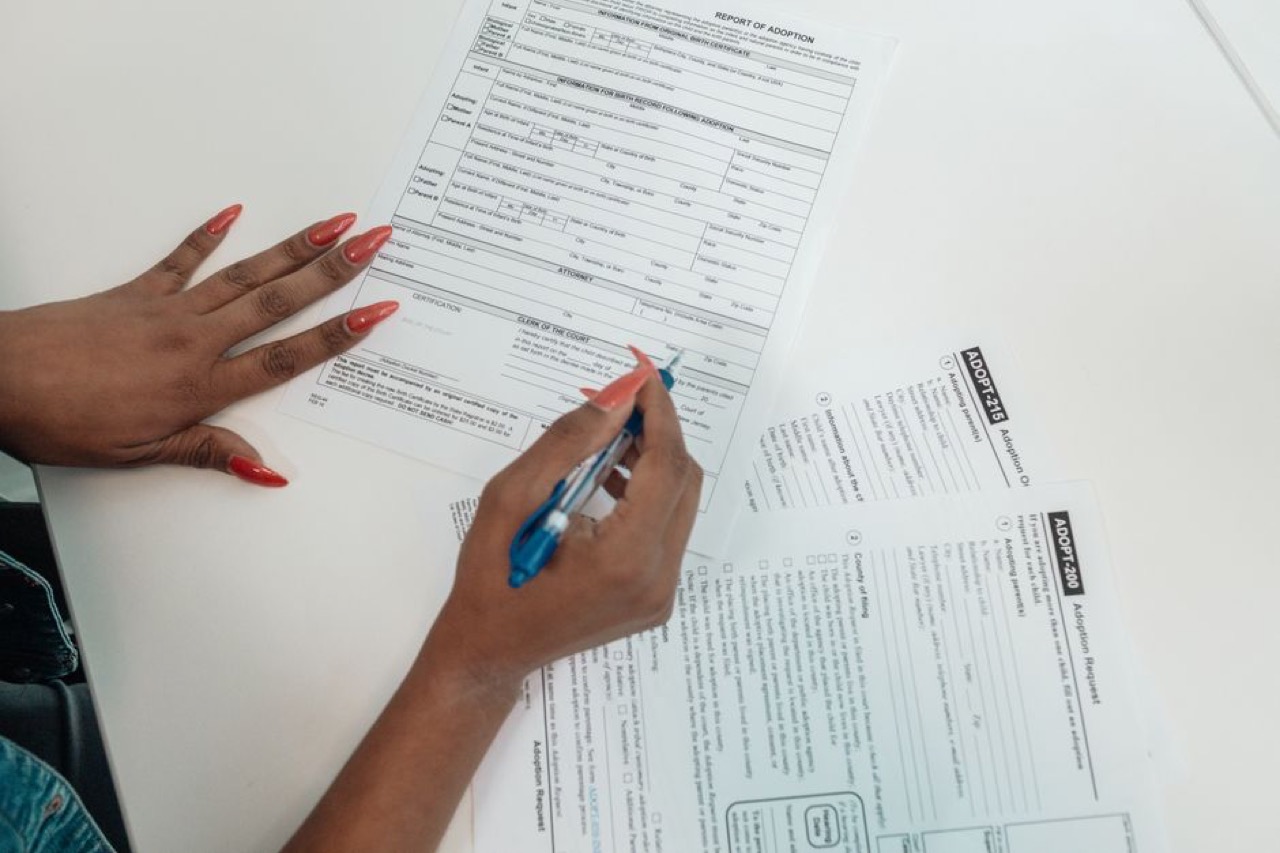
A debt repayment proposal letter is a written offer to your creditor to pay a fixed, affordable amount each month instead of the original instalment, setting out the balance, what you can pay and how long you need, and asking the creditor to confirm the arrangement in writing before you begin. A clear, specific offer is far more likely to be accepted than a vague plea.
This template works best where you have done a proper budget and know exactly what is left after your essentials and other debts. Offer a number you can keep up every single month, because a broken written arrangement is worse than not having one.
If you need to make proposals to several creditors at once and your overall budget no longer balances, formal debt review may be the better route, because a debt counsellor proposes a single restructured plan that is legally binding once a magistrate makes it an order.
The copy-paste template
Replace each [PLACEHOLDER] with your own figures and delete anything that does not apply. Send it by email so the offer is dated.
[YOUR FULL NAME]
[YOUR ADDRESS]
[YOUR EMAIL]  |  [YOUR PHONE]

[DATE]

[CREDITOR NAME]
Attention: Collections Department
[CREDITOR EMAIL OR ADDRESS]

RE: Repayment proposal - account number [ACCOUNT NUMBER]

Dear Sir / Madam,

I refer to my account above, with an outstanding balance of approximately
R[BALANCE]. I am committed to settling this debt and I am writing to propose a
repayment arrangement that I can sustain.

After budgeting for my essential living costs and my other obligations, I can
afford to pay R[OFFERED AMOUNT] per month toward this account.

My proposal is:
  - Monthly payment: R[OFFERED AMOUNT]
  - First payment date: [DATE]
  - Payment method: [DEBIT ORDER / EFT to your nominated account]
  - Estimated term to [clear](/debt-review/debt-clear-sa-review/) the balance: [NUMBER] months

I would also ask you to consider freezing or reducing interest and fees for the
repayment period so that my payments reduce the actual balance.

Please confirm in writing whether this is acceptable, including any agreed
interest treatment, before any payment begins. If you cannot accept it as is,
I am open to discussing a workable alternative.

Thank you for considering this proposal.

Yours faithfully,

[YOUR FULL NAME]
Account number: [ACCOUNT NUMBER]
How to work out what to offer
Build a simple budget first. Add up your net income, subtract your essential living costs (rent or bond, food, transport, utilities, school fees), and subtract what you must pay on your other debts. The amount left is the most you can responsibly offer across all your accounts.
Split that remaining amount between creditors in a way that is fair and that you can hold every month. Offer a number that has a little room in it, not your absolute maximum, so that a single unexpected cost does not break the arrangement. A monthly budget template can help you arrive at a defensible figure you can show the creditor if asked.
Asking for interest and fees to be frozen
An offer to pay R500 a month is far less useful if interest and fees add R450 to the balance every month - you would barely be reducing what you owe. Always ask, in the same letter, for interest and charges to be frozen or reduced for the repayment period.
Creditors are not obliged to agree, but many will pause or lower interest for a customer who is paying consistently, because a reduced steady payment is better for them than a handover. Get any interest concession confirmed in writing, because a verbal promise is hard to enforce later.
Mistakes to avoid
- Offering more than you can sustain. A proposal you break within two months damages your credibility and the account.
- Starting to pay before you have written confirmation. Get the deal in writing first so the creditor cannot later deny the terms.
- Forgetting interest. If you do not address interest, the balance can keep growing even while you pay.
- Making proposals to ten creditors separately when the real problem is that your budget does not balance. In that case, debt review gives you one coordinated, legally protected plan instead of ten fragile private deals.
If the creditor accepts
Save the written acceptance, set up the debit order or a standing payment for the exact amount, and pay on or before the agreed date every month. Treat the arrangement as seriously as any other contract, because it now is one. If your circumstances improve, you can offer to increase the payment or make a settlement offer to clear the balance for a reduced lump sum. If your circumstances worsen and you cannot keep even this up, write again early rather than defaulting, and consider whether debt review is now the right step.
Frequently asked questions
How much should I offer a creditor?
Offer what your budget shows you can pay every month without fail, with a small buffer. It is better to offer R600 and pay it reliably than to offer R1,200, miss it, and break a written arrangement.
Will a creditor really accept a reduced instalment?
Many will, because a smaller payment that arrives every month is better for them than a defaulted account they have to hand over or sue on. A specific, budgeted offer with a debit order attached is more likely to be accepted.
Should I offer the same to every creditor?
No. Divide what you can afford across your creditors in proportion to their balances and the urgency. Each letter should carry its own account number and offered amount.
Can I ask them to stop interest?
Yes, and you should. Ask in the same letter for interest and fees to be frozen or reduced for the repayment period, so your payments actually reduce the balance rather than just covering charges.
Is a repayment proposal the same as a settlement offer?
No. A repayment proposal pays the full balance over time in instalments. A settlement offer asks the creditor to accept a smaller lump sum as full and final payment to close the account.
What if I have many creditors?
Private proposals to many creditors are hard to coordinate and easy to break. Debt review lets an NCR-registered debt counsellor propose one restructured plan to all of them, which a magistrate can make a binding order.
Does proposing to pay reset prescription on old debt?
Yes. Offering to pay or acknowledging the debt restarts the three-year prescription clock. If a debt might already have prescribed, get advice before sending any proposal.